
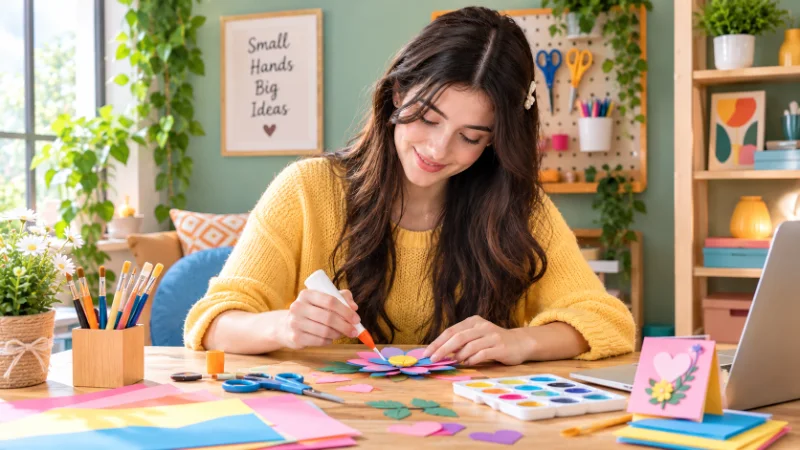
Creativity does not have to be complicated or expensive. Sometimes, a few sheets of colored paper, some glue, and a little imagination are enough to create something beautiful. Crafting gives people an opportunity to explore new ideas, make useful decorations, and enjoy meaningful activities with family. Whether you are a beginner, a parent looking for creative projects, or someone who enjoys handmade decorations, having clear guidance can make every project easier.
The infoguide lwmfcrafts concept brings practical craft inspiration and simple instructions together. It focuses on making creative activities easier to understand, helping readers choose suitable projects, prepare materials, and follow manageable steps. From paper decorations and handmade cards to recycled crafts and seasonal projects, there are many ways to turn everyday items into something special.
This guide introduces the resource’s main features, shares simple craft projects for beginners, explains practical ways to keep materials organized, and offers ideas for making DIY projects more fun and rewarding.
What Is InfoGuide LWMFCrafts?
InfoGuide LWMFCrafts is presented as a step-by-step resource for people who want accessible crafting ideas and practical guidance. Its focus includes beginner-friendly projects, family activities, handmade decorations, and creative ways to use common household materials.
The LWMFCrafts website focuses on making crafting accessible and budget-friendly through projects that use everyday household materials. It also features indoor activities, fast and easy crafts, fun creative ideas, and DIY projects suited to a variety of interests.
The purpose of a useful craft guide is not simply to show finished artwork. It should also explain how to begin, what materials are required, and how each step can be completed. This makes creative activities more approachable for beginners and families.
1: Why Is a Step-by-Step Craft Guide Helpful?
Beginning a new craft project can feel challenging when directions are confusing or supplies are hard to locate. A clear, step-by-step guide makes it easier to understand each stage and prepare before getting started.
Here are some important benefits of following clear craft instructions.
1. Makes Projects Easier to Understand
Step-by-step directions divide a large activity into smaller tasks. Instead of trying to complete everything at once, beginners can focus on one stage at a time.
For example, making a paper flower becomes easier when the process is divided into drawing, cutting, arranging, and joining the pieces.
2. Helps Save Time
Preparing materials before starting can prevent unnecessary interruptions. A simple supply list also helps readers avoid purchasing items they do not need.
3. Encourages Creative Thinking
Instructions provide a starting point, but people can still change colors, shapes, and decorations. This freedom allows each handmade project to develop its own style.
4. Makes Family Activities More Organized
Parents and children can choose a project together, prepare the supplies, and share suitable tasks. Younger children should always have adult supervision when using scissors, glue, or other craft tools.
5. Supports Learning Through Practice
Crafting offers opportunities to practice planning, arranging, measuring, and problem-solving. Completing a project can also help beginners feel more confident about trying another activity.
2: Popular Craft Categories to Explore
There are many different types of DIY projects, so choosing a category can make it easier to find an activity that matches your interests.
Paper Crafts
Paper is one of the most flexible materials for beginners. It can be folded, colored, cut into shapes, and arranged into attractive designs.
Popular paper projects include:
- Handmade greeting cards
- Paper flowers and butterflies
- Decorative bookmarks
- Paper wall decorations
- Colorful paper collages
These activities are suitable for home projects, classroom displays, and handmade gifts.
Recycled Material Crafts
Recycled crafts give suitable household materials a new purpose. Clean cardboard, old magazines, and leftover fabric can become useful supplies for creative projects.
For example, a cardboard box can be decorated as a storage organizer, while magazine pages can be used to create a colorful collage.
Always check that reused materials are clean, safe, and appropriate for the project.
Home Decoration Projects
Handmade decorations can add a personal touch to a room. You can create paper wall art, decorated photo frames, small desk organizers, or painted flower pots.
Choose colors that complement the space and keep the design simple. A few carefully arranged decorations can look more attractive than an overcrowded display.
Seasonal and Holiday Crafts
Special occasions provide plenty of creative inspiration. Handmade decorations can be prepared for birthdays, family celebrations, school events, and different seasons.
Try making greeting cards, paper ornaments, themed wall art, or personalized gift tags.
3: Easy DIY Projects Beginners Can Try
You do not need professional crafting experience to make something interesting. Start with simple activities that use a small number of materials.
1. Create a Handmade Greeting Card
A handmade card is a thoughtful project for birthdays and other special occasions.
Materials needed:
- Colored card paper
- Markers or colored pencils
- Craft glue
- Decorative paper shapes
- Stickers, if available
Steps:
- Fold a piece of card paper in half.
- Choose a simple design for the front.
- Add paper shapes, drawings, or stickers.
- Write a short message inside.
- Allow any glued decorations to dry.
You can personalize the card with different colors and patterns.
2. Make Colorful Paper Flowers
Paper flowers are useful for room decorations, handmade gifts, and school displays.
Steps:
- Draw several flower shapes on colored paper.
- Cut out the shapes using suitable scissors and adult supervision for children.
- Arrange the pieces in layers.
- Attach the layers with craft glue.
- Add paper leaves and a stem.
Try different color combinations to create a small handmade flower arrangement.
3. Turn Cardboard Into a Desk Organizer
A clean cardboard box can become a practical place to store stationery.
Steps:
- Select a sturdy, clean cardboard box.
- Make sure its edges are safe and smooth.
- Cover the outside with colored paper.
- Add simple patterns or decorative shapes.
- Use it to organize suitable stationery items.
This project combines creativity with everyday usefulness.
4. Design a Personalized Bookmark
Bookmarks are quick to make and can be customized for different interests.
Cut a long rectangle from thick paper or card. Decorate it with drawings, stickers, or colorful patterns. Make sure the design is dry before placing the bookmark inside a book.
4: Craft Materials and Their Uses
A small collection of basic supplies is enough for many beginner projects.
| Material | Common Uses |
|---|---|
| Colored paper | Flowers, cards, and paper decorations |
| Cardboard | Organizers, models, and displays |
| Craft glue | Attaching paper and decorative pieces |
| Markers | Drawing and adding details |
| Paint and brushes | Decorating suitable surfaces |
| Fabric scraps | Collages and decorative designs |
| Ribbons | Gift wrapping and handmade cards |
| Old magazines | Paper collages and creative artwork |
You can collect supplies gradually instead of purchasing everything at once. Store them in separate containers so they are easy to find when starting a new activity.
5: How to Choose the Right Craft Project
Not every project is suitable for every person or occasion. Before selecting an activity, consider a few practical points.
Consider Your Experience
Beginners should start with projects that have simple instructions and fewer steps. Once they become comfortable with basic techniques, they can explore more detailed designs.
Check the Available Materials
Choose activities that match the supplies you already have. If a project requires special equipment, consider whether a simpler alternative is available.
Think About the Available Time
Some projects can be completed in a short session, while others need extra time for painting, drying, or assembling. Choose an activity that fits your schedule.
Keep Safety in Mind
Use age-appropriate supplies and follow product instructions. Children should have adult supervision when working with scissors, hot materials, or tools that require special care.
6: Tips for Making Craft Activities More Enjoyable
A little preparation can make the crafting process smoother and more relaxing.
- Prepare your workspace: Use a clean table with enough room for materials.
- Organize supplies: Keep paper, colors, brushes, and decorations in separate containers.
- Follow instructions carefully: Read each step before beginning.
- Experiment with designs: Change colors and patterns to create a personal style.
- Avoid rushing: Give paint and glue enough time to dry.
- Keep finished projects: Store or display completed crafts as a reminder of your progress.
- Enjoy the process: Focus on learning and creativity rather than making everything perfect.
The main idea behind infoguide lwmfcrafts is to make creative projects easier to approach through practical inspiration and understandable guidance. You can use a basic tutorial as a starting point and then develop your own design.
7: How Crafting Can Become a Regular Hobby
Crafting does not need to be limited to holidays or special occasions. Even a small creative session each week can provide an opportunity to explore new ideas.
Begin by selecting one simple project. Once it is completed, think about what you enjoyed and which technique you would like to try next.
You can also create a small craft notebook. Write down project names, materials, instructions, and ideas for future designs. Adding photographs of finished work can help you keep track of your creative progress.
Families may also enjoy choosing a weekly theme, such as paper art, recycled decorations, or handmade cards. This approach keeps activities varied without making preparation difficult.
Frequently Asked Questions
1. What is InfoGuide LWMFCrafts?
It is a crafting guide concept focused on simple DIY ideas, step-by-step instructions, creative activities, and practical tips for beginners and families.
2. Is LWMFCrafts suitable for beginners?
Yes. Its content focuses on accessible creative ideas, including simple projects that can be made with common household materials. Beginners can start with paper crafts, bookmarks, and handmade cards.
3. What supplies are useful for DIY crafts?
Common supplies include colored paper, cardboard, markers, glue, paint, brushes, ribbons, and clean recycled materials. The exact list depends on the selected project.
4. Can children enjoy these activities?
Yes. Many simple crafts can be adapted for children with suitable adult supervision. Choose age-appropriate materials and avoid small pieces when working with very young children.
5. Are recycled materials good for crafting?
Clean and suitable recycled materials can be useful for many DIY projects. Cardboard, old magazines, and fabric scraps are examples of materials that can be reused creatively.
6. How can I improve my crafting skills?
Start with simple projects, follow clear instructions, and practice regularly. Experiment with different materials and designs as your confidence develops.
Final Thoughts
Crafting is a practical way to explore creativity, learn simple techniques, and make personal decorations or useful handmade items. You do not need expensive supplies or advanced experience to begin. A small collection of everyday materials and a clear plan can help you complete your first project.
Whether you enjoy paper art, recycled decorations, seasonal activities, or handmade gifts, choose projects that match your interests and available time. Explore different ideas, learn from each attempt, and allow yourself to experiment.
Ultimately, infoguide lwmfcrafts is about making the creative process more approachable. Start with one easy activity, enjoy each step, and let your imagination guide your next handmade project. For more details Visit Lwmfcrafts.